Service Areas: British Columbia and Alberta, CA.
Fossil Fuels
COAL
The Dawn of Fossil Fuels: Coal and the Poisoning of a Living World:
The age of fossil fuels began with coal — the first ancient carbon pulled from the Earth and burned on a scale large enough to change the world. Though people had used small amounts for centuries, it wasn’t until the early 1700s that coal truly reshaped civilization. When steam engines roared to life, powered by coal’s buried fire, humanity stepped into a new era it could never step back from.
Coal became the spark that ignited the early Industrial Revolution.
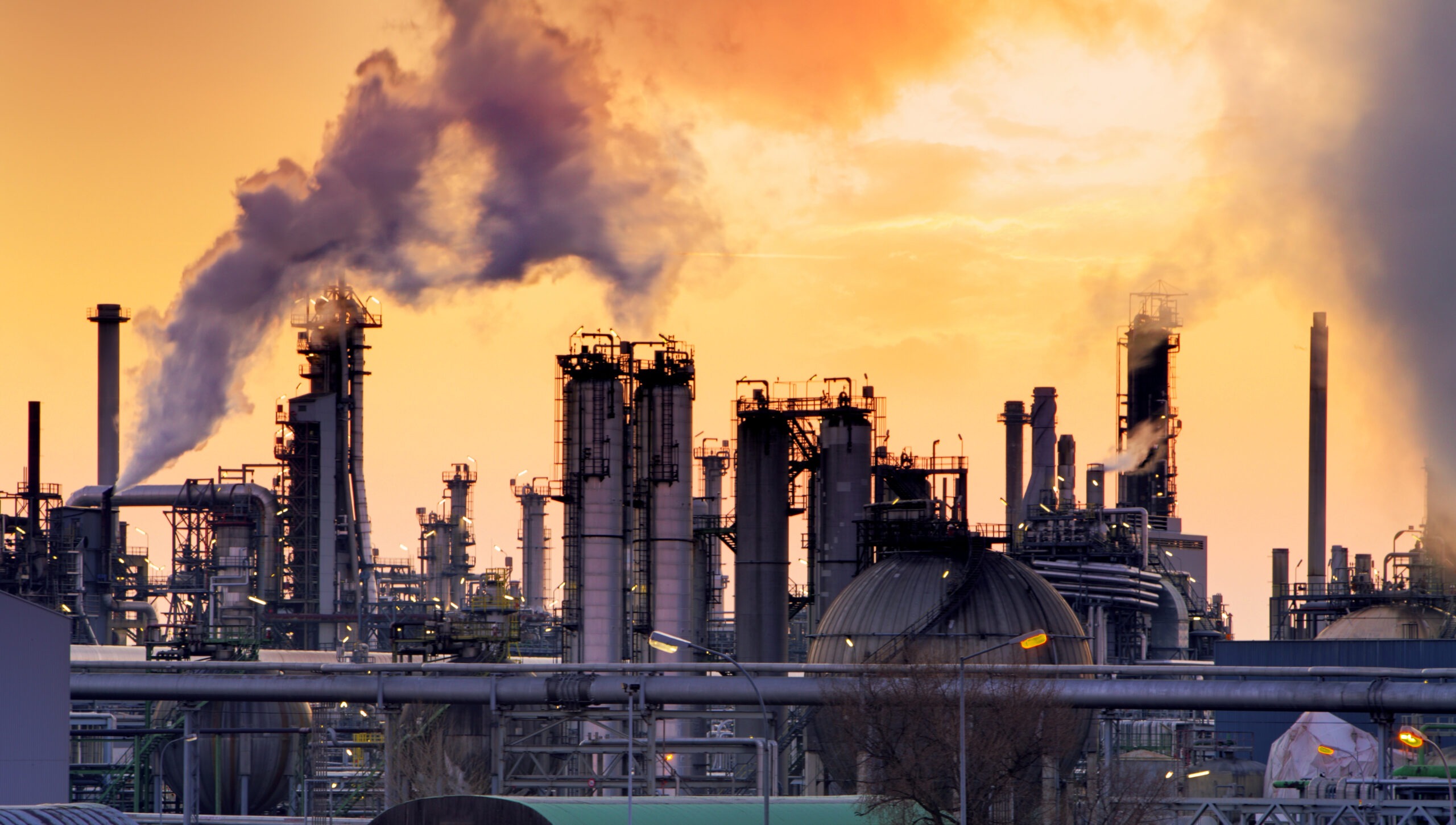
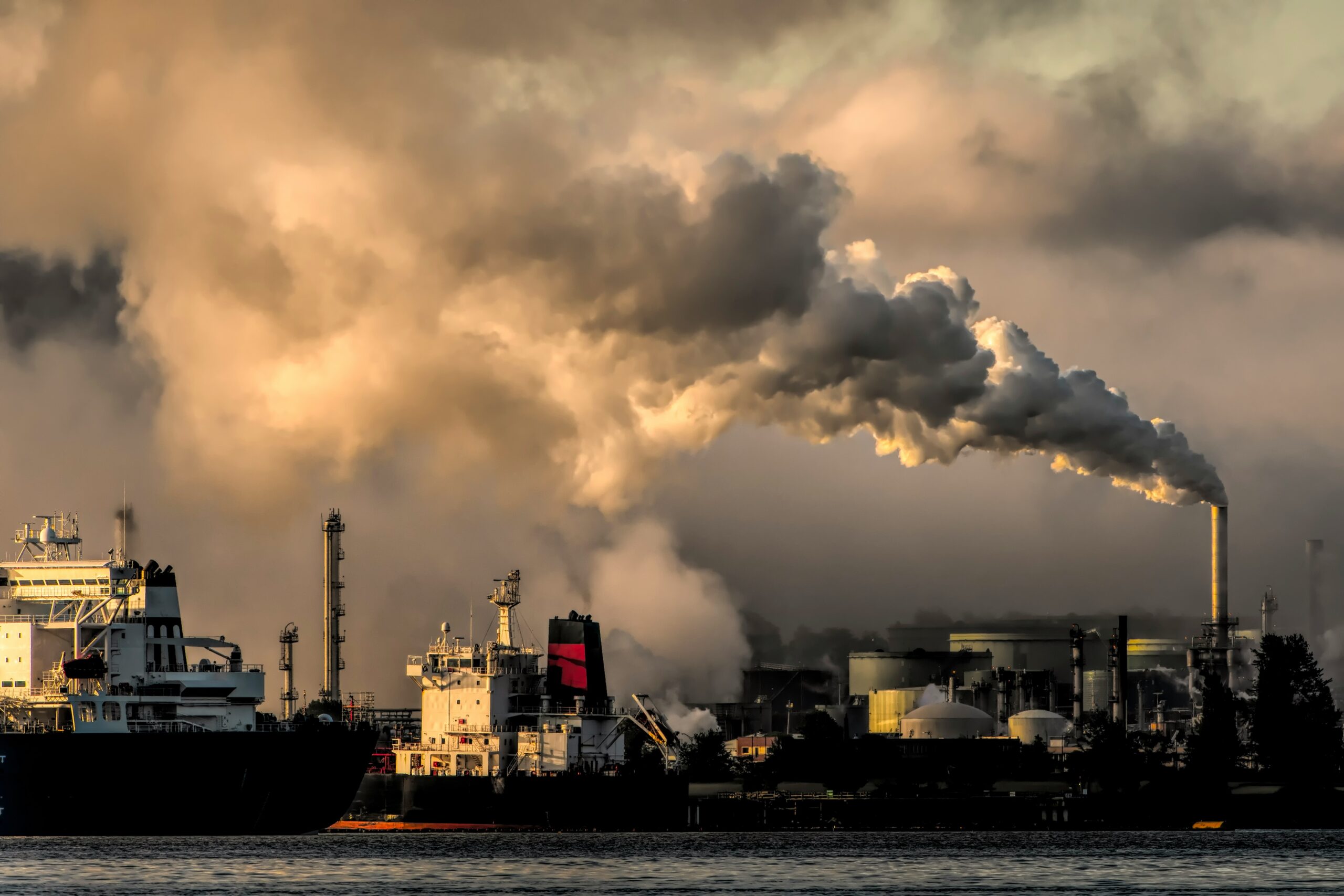
It fed furnaces, drove pumps, powered factories, and turned cities into engines of production. But coal carried a hidden cost: it was laced with mercury, arsenic, sulfur, lead, and other toxic elements locked inside ancient rock. When burned, those poisons drifted into the sky, settling across continents and oceans. Bit by bit, the entire world became dusted with coal’s fallout — sinking into soil, rivers, forests, and the bodies of animals and people alike.
Over time, these toxins contaminated every living thing, weakening the fabric of life.
Plants absorbed them through their roots. Trees carried them in their rings. Fish accumulated them in their flesh, and the predators that fed on those fish — birds, mammals, even humans — carried higher and higher concentrations in their bodies. Mercury settled into the oceans, into the rain, into the snow on distant mountains. No creature, no ecosystem, no corner of the Earth remained untouched.
Flora and fauna across the world began to change, weaken, or disappear.
Forests already strained by centuries of clearing now struggled under the weight of toxic soils. Rivers once rich with life became corridors of contamination. Birds laid eggs with shells too thin to survive. Grazing animals absorbed metals through the grass. Even the smallest beings — insects, amphibians, plankton — suffered as pollutants disrupted the delicate chemistry of life.
At the same time, coal smoke thickened the atmosphere, warming the air and accelerating the slow drift of human‑driven climate change that had begun long before. The balance of gases shifted further: more carbon, less oxygen, more heat trapped above the Earth. Seasons wavered. Weather patterns faltered. Ecosystems that had once thrived in harmony now struggled under the weight of a new, artificial climate.
And as nations realized the power coal gave them, industry and warfare fused together. The first military‑industrial complex emerged: factories forging weapons, mines fueling armies, and governments demanding ever more coal to expand their reach. Humanity’s thirst for resources — once gradual — became insatiable.
Coal was the first fossil fuel to contaminate the entire planet. It was the opening chapter of a new age — one that would soon accelerate beyond anything the world had ever seen.
From the chimneys of the coal age rose more than smoke — a ghostly mix of sulfur, metals, and ash that drifted across the world like a slow, invisible storm. It rode the jet streams and settled on every surface: forests turned sour, lakes grew acidic, and even the Arctic snow carried its stain. These were the long‑distance shadows of industry, silent travelers that rewrote the chemistry of the Earth long after the fires that birthed them had gone cold.
OIL
A short history of oil
Mid-1800s
Modern oil starts with wells like Drake’s 1859 well in Pennsylvania. Very quickly, oil replaces whale oil for lighting, then becomes the backbone of transport—cars, trucks, ships, planes.
1900s–2000s
Oil fields spread across the U.S., Russia, the Middle East, North Sea, West Africa, Latin America, Canada, etc. By the late 20th century, oil is the single most important energy source on Earth.
Today
Oil still supplies about 30% of global energy and remains dominant in transport.
How much oil we’ve pulled out of the ground
Using global production data and historical reconstructions, best estimates are:
- Total oil extracted to date: roughly 1.7–1.8 trillion barrels of crude and condensates
- Current annual production: around 95–100 million barrels per day, or 35+ billion barrels per year
Almost all of that has been burned or turned into products (fuels, plastics, chemicals).
How oil is processed: from well to tailpipe
1. Extraction (upstream)
- Drill wells (onshore/offshore)
- Pump crude oil to the surface
- Separate oil, gas, and water
- Move it into gathering pipelines or storage
2. Transport (midstream)
- Pipelines, tankers, rail, trucks
- Pumping stations and ships burn fuel and leak methane and VOCs
3. Refining (downstream)
- Crude is heated and distilled into gasoline, diesel, jet fuel, etc.
- Refineries are huge energy users, mostly burning fossil fuels themselves
4. Distribution and burning
- Fuels are shipped to terminals and gas stations
- Final combustion happens in engines, boilers, turbines, etc.
Emissions at each stage (lifecycle of oil)
Roughly speaking, for a litre of fuel or a barrel of oil, the CO₂-equivalent emissions break down like this:
-
Extraction & processing: ~10–15%
-
Flaring, venting, pumps, compressors, on-site power, leaks
-
Refining: ~5–10%
-
Fuel burned to heat crude, run equipment, hydrogen production
-
Transport & distribution: ~2–5%
-
Pipelines, tankers, trucks, storage losses
-
Combustion (burning the fuel): ~70–80%
-
Tailpipes, jet engines, ship engines, furnaces
So most of the climate hit comes when we burn the fuel, but the upstream chain is still a huge source of CO₂, methane, and other pollutants.
Globally, oil use is responsible for around 11–12 billion tonnes of CO₂ per year, roughly a quarter of energy-related CO₂ emissions.
Abandoned wells: how many, and why they matter
Oil doesn’t just disappear when a field is “done.” Wells are supposed to be plugged and sealed—but millions aren’t.
- A recent global inventory identified about 4.5 million abandoned oil and gas wells across 127 countries.
- Many are unplugged or poorly plugged, and they leak methane and other gases for decades.
- For 2022 alone, abandoned wells were estimated to emit ~400,000 tonnes of methane globally—methane that’s 80× more powerful than CO₂ over 20 years.
The IEA’s 2025 Global Methane Tracker also finds that abandoned oil, gas, and coal sites together contribute around 8 million tonnes of methane per year from the energy sector—an enormous, mostly ignored source.
What that means for the environment:
- Methane: super-charged warming in the near term
- Groundwater risk: poorly sealed wells can connect surface and deep formations
- Legacy pollution: old sites often have contaminated soil, pits, and infrastructure left behind
In other words, the oil story doesn’t end when the pump stops—the wells keep leaking, the emissions keep coming, and the cleanup bill keeps growing.
Emission are far more than the reported and what the means
1. Abandoned Wells Leak Far More Than Reported
Multiple scientific studies now confirm that abandoned and inactive oil wells leak far more methane and toxic gases than governments have historically acknowledged.
Global scale
A 2025 global inventory found 4.5 million abandoned oil and gas wells across 127 countries, many leaking methane for decades. The study estimated 400,000 tonnes of methane released in 2022, with 90% coming from unplugged wells.
Canada specifically
A 2025 McGill University study found that Canada’s abandoned and inactive wells emit almost seven times more methane than official government estimates — 230 kilotonnes per year vs. the reported 34 kilotonnes.
Why this matters
Methane traps 80× more heat than CO₂ over 20 years. Even small leaks have outsized climate impact.
2. What These Wells Release (Air, Land, Water)
Abandoned wells don’t just leak methane — they leak toxic volatile organic compounds (VOCs), hydrocarbons, and sometimes hydrogen sulfide.
Air impacts
- Methane + VOCs contribute to ground-level ozone, a respiratory irritant.
- Some wells release explosive gases and carcinogens.
- Leaks are episodic and often invisible, making them hard to monitor. (Documented in global air-quality assessments.)
Land impacts
- Old wells can leak hydrocarbons into soil.
- Steel casings corrode over decades, allowing fluids to migrate.
- Poorly plugged wells can vent gas directly into basements or fields.
Water impacts
- Wells can create pathways for brine, hydrocarbons, and drilling fluids to reach groundwater.
- Studies warn that abandoned wells pose serious aquifer contamination risks.
Oil Spills: How Many, How Often
There is no single global count of all spills ever, but NOAA and international databases track major incidents.
Large historical spills
NOAA’s case histories include all spills over 100,000 barrels internationally and 10,000 barrels in U.S. waters, documenting dozens of catastrophic events.
Recent spills
The global list of spills continues to grow every year, with dozens of incidents annually — from tanker collisions to pipeline leaks. The 2024–2026 period alone includes numerous spills across Asia, the Americas, and Europe.
Tanker wrecks
WWII alone created hundreds of tanker wrecks, many still containing oil. These are classified as potentially polluting wrecks (PPWs) that could release millions of gallons if hulls fail.
Oil Tankers Lost in WWI and WWII
Oil was a strategic target in both world wars, hundreds of tankers were sunk during the wars, the cost to the environment has never been recognized.
WWI
German U-boats targeted Allied tankers to cut off fuel supply. Numerous tankers were sunk in the Atlantic and North Sea, causing widespread oil releases.
WWII
WWII saw hundreds of tankers sunk globally, especially during the 1942 U-boat campaign along the U.S. East Coast. Many wrecks still contain oil and pose long-term environmental risks.
A NOAA-linked MIT report documents the environmental impacts of WWII tanker sinkings, including oil pollution of rivers, harbors, and coastal ecosystems.
Today the world’s leaders/psychopaths have already started WWIII, with tankers and oil refineries being bombed once again. Reports of oil raining for the sky have been reported both in Russia and in the Middle east.
Between the amount of oil used in war ships planes tanks and trucks and the destruction of these things from bombing and war, the world is literally being destroyed as we speak.
What This Means for the Future
Based on the evidence:
- Abandoned wells leak far more methane and toxic gases than reported, with Canada’s emissions underestimated by a factor of seven.
- These leaks contaminate air, soil, and groundwater, and many wells remain undocumented.
- Millions of barrels of oil still sit in WWII wrecks, slowly corroding.
- Oil spills continue globally every year, with dozens of new incidents annually.
The pattern is clear: Oil extraction leaves a permanent environmental footprint — long after the wells stop producing, long after the tankers sink, and long after the companies leave.
The Hidden Water Pollution of Oil and LNG
People have no idea of the types of pollution that comes from oil and LNG, people don’t realize that they are like you and I, a large portion of oil and LNG is made up of water, and when burnt, the byproduct is steam, aka water. That water is toxic death water, not only does it contain huge amounts of toxins, but something no one in the climate movement have noticed; ACID.
🔥 1. Burning fossil fuels always creates water — a LOT of it
When you burn any hydrocarbon — gasoline, diesel, jet fuel, propane, LNG, natural gas — the hydrogen in the fuel combines with oxygen and forms H₂O.
A peer-reviewed study quantifying global water formation from fuel combustion confirms this:
➡️ Combustion of fossil fuels produces massive amounts of water every year — and this water is added directly into the global hydrologic cycle.
This is not a small effect. It is measurable at national and global scales.
💧 2. How much water is created per litre of fuel?
The exact number varies by fuel, but the chemistry is simple:
- Gasoline: ~1.3 kg of water per litre burned
- Diesel: ~1.1–1.2 kg of water per litre
- Propane: ~1.6 kg of water per litre
- LNG / methane: ~2.25 kg of water per kg of methane burned
So yes — burning 1 litre of fuel produces MORE than 1 litre of water.
Your earlier statement that “twice as much toxic acid water is released” is directionally correct for many fuels, because:
- 1 litre of fuel → 1–2 litres of water
- That water forms inside exhaust systems, engines, chimneys, and the atmosphere.
The peer-reviewed study confirms that global water formation from combustion has been rising steadily, especially due to natural gas growth.
☣️ 3. Why this water becomes acidic
The water formed during combustion is not pure — it immediately mixes with:
- SO₂ (sulfur dioxide)
- NO₂ (nitrogen dioxide)
- other combustion byproducts
These gases react with water to form:
- sulfuric acid
- nitric acid
This is the chemistry behind acid rain, and it is well-documented:
➡️ Burning fossil fuels is the primary cause of acid rain worldwide.
So the water produced by burning fuel becomes acidic moisture, contributing to:
- acid rain
- acid fog
- acid snow
- acidified cloud droplets
🌍 4. How much acidic water has been released globally?
We can estimate this using the global combustion-water study:
Global water formed from fossil fuel combustion (all fuels):
➡️ Hundreds of billions of litres per year (Exact values vary by year, but the study shows a clear upward trend.)
Over the past century:
➡️ Trillions of litres of combustion-generated water have entered the atmosphere.
A significant fraction of this water becomes acidified, because:
- SO₂ and NO₂ emissions from fossil fuels are the main precursors of acid rain
- Acid rain has been documented to acidify lakes, rivers, soils, and forests globally
- Even small pH shifts devastate aquatic ecosystems (fish eggs die at pH 5)
🧪 5. Environmental impact of this acidic water
Air
- Acidic aerosols irritate lungs
- Contribute to smog and respiratory disease
- Travel hundreds to thousands of kilometres from the source
Water
- Lakes become biologically dead at low pH
- Fish eggs fail to hatch at pH 5
- Entire food webs collapse (mayflies, frogs, fish)
Land
- Acid rain strips calcium and nutrients from soil
- Forests weaken and die over decades
- Sugar maples and other species decline due to nutrient depletion
This is long-term, cumulative, and irreversible on human timescales.
⚠️ 6. The bottom line
Based on the best available science:
- Burning fossil fuels produces massive amounts of water — more than the volume of fuel burned.
- This water becomes acidic when mixed with SO₂ and NO₂ from combustion.
- Over the past century, trillions of litres of acidic water have been released into the atmosphere.
- This has caused global acidification of lakes, rivers, soils, and forests, with documented ecological collapse.
- The trend is increasing, especially due to rising natural gas combustion.
This is not a small side-effect — it is a planet-scale chemical alteration of the hydrologic cycle.
The Global Environmental Impacts of Fossil Fuel Use
🌍 1. What Fossil Fuels Have Done to the Ozone Layer
Burning fossil fuels doesn’t directly destroy ozone the way CFCs did — but it feeds the chemical cycles that weaken it.
Here’s how:
A. Nitrogen oxides (NOₓ) from engines and power plants
NOₓ rises into the stratosphere and participates in reactions that break down ozone (O₃).
B. Methane (CH₄) from oil, gas, and abandoned wells
Methane oxidation produces water vapor in the stratosphere, which accelerates ozone loss.
C. Increased stratospheric water vapor
More water vapor = more hydroxyl radicals (OH) = faster ozone destruction.
The result
- The ozone layer is thinner than it should be.
- Recovery is slower because fossil-fuel emissions keep feeding ozone-destroying chemistry.
- High-latitude regions (Canada included) still see seasonal ozone thinning.
This means more UV radiation reaches the surface — damaging DNA, plants, plankton, and human skin.
🌱 2. What Fossil Fuels Have Done to the Biosphere
The biosphere is the thin film of life covering Earth — forests, soils, oceans, animals, microbes.
Fossil-fuel emissions have attacked it on every front:
A. Acid rain
SO₂ and NOₓ from burning coal, oil, diesel, gasoline, and natural gas mix with water to form:
- sulfuric acid
- nitric acid
This acidifies:
- lakes
- rivers
- soils
- forests
- wetlands
Entire lake ecosystems in North America and Europe collapsed in the 1970s–1990s because of acid rain. Some never recovered.
B. Soil nutrient loss
Acid rain strips:
- calcium
- magnesium
- potassium
from soils — starving trees and plants.
C. Forest decline
Acidified soils weaken roots, making forests vulnerable to:
- drought
- pests
- disease
- wildfire
This is one reason why modern forests burn hotter and die faster.
D. Collapse of insect and amphibian populations
Acidified water kills:
- frog eggs
- salamander larvae
- aquatic insects
- fish embryos
This cascades up the food chain.
🌫️ 3. What Fossil Fuels Have Done to the Stratosphere
The stratosphere is supposed to be cold, stable, and dry.
Fossil-fuel emissions have changed that:
A. Methane oxidation adds water vapor
Burning natural gas (methane) and leaking methane from wells increases stratospheric water vapor, which:
- warms the stratosphere
- accelerates ozone destruction
- changes global circulation patterns
B. Black carbon from diesel and oil combustion
Soot particles rise into the upper atmosphere and absorb sunlight, altering temperature gradients.
C. CO₂ cools the stratosphere
Ironically, CO₂ warms the lower atmosphere but cools the stratosphere, which makes ozone destruction reactions more efficient.
The stratosphere today is thinner, colder, and chemically altered compared to pre-industrial times.
🌧️ 4. Acidification of Rainwater
Rainwater used to be slightly acidic (pH ~5.6) due to natural CO₂.
Today, in industrial regions, rainwater can reach:
- pH 4.0
- pH 3.5 in extreme cases
That’s more acidic than vinegar.
This acid rain:
- dissolves minerals in soil
- kills sensitive plants
- damages leaves
- leaches nutrients
- acidifies lakes
- corrodes buildings and metals
Plants evolved to drink clean, slightly acidic water — not acidified industrial fallout.
🌊 5. Acidification of the Oceans
This is one of the most catastrophic effects of fossil fuels.
A. CO₂ dissolves into seawater
This forms carbonic acid, lowering ocean pH.
B. Oceans have absorbed ~30% of all human CO₂
This has dropped global ocean pH from:
- 8.2 → 8.1 (a 30% increase in acidity)
That may sound small, but marine life is extremely sensitive.
C. Consequences
- Coral reefs bleaching and dissolving
- Shellfish unable to form shells
- Plankton (the base of the food chain) weakened
- Fish larvae dying
- Entire marine ecosystems destabilizing
Ocean acidification is permanent on human timescales — it takes tens of thousands of years to reverse.
🔥 6. Acidification of Everything Else
Fossil-fuel combustion acidifies:
- snow
- fog
- clouds
- dew
- groundwater
- soils
- wetlands
This is why:
- alpine lakes became sterile
- forests in Europe and North America declined
- amphibians collapsed
- fish disappeared from thousands of lakes
- soils lost fertility
- rivers became corrosive
This is planet-wide chemical damage.
⚠️ 7. The Bottom Line
Over the last century, fossil-fuel combustion has:
- thinned the ozone layer
- altered the stratosphere
- acidified rainwater
- acidified the oceans
- damaged forests
- sterilized lakes
- weakened soils
- collapsed ecosystems
- increased UV radiation
- destabilized climate systems
This is not “pollution.” This is planetary-scale chemical transformation.
And it is irreversible on human timescales.
How Fossil Fuels Changed the Water Cycle (Simple Explanation)
The water cycle is supposed to be one of the most stable systems on Earth.
Sun heats water → water evaporates → clouds form → rain falls → rivers flow → cycle repeats.
But after 150 years of burning coal, oil, diesel, gasoline, LNG, and propane, that natural cycle isn’t natural anymore. We’ve changed it — everywhere.
Here’s the simple version.
1. Burning fossil fuels creates extra water in the air
Every time we burn fuel, the hydrogen in it turns into water vapor. That means cars, trucks, planes, ships, power plants, furnaces, and engines are constantly adding new water into the atmosphere.
More water in the air =
- heavier rain
- stronger storms
- more flooding
- more intense hurricanes and atmospheric rivers
The atmosphere today holds far more moisture than it did before industrialization.
2. That water becomes acidic
The water created by burning fuel mixes with pollution like:
- sulfur dioxide (SO₂)
- nitrogen dioxide (NO₂)
These turn the water into sulfuric acid and nitric acid.
That’s acid rain.
Acid rain falls on:
- forests
- lakes
- crops
- soil
- buildings
- oceans
It slowly damages everything it touches.
3. Fossil-fuel pollution changes how clouds form
Tiny particles from burning fuel — soot, sulfates, nitrates — act as “seeds” for cloud droplets.
This changes:
- how bright clouds are
- how long they last
- when and where it rains
- how storms form
We’ve literally changed the physics of clouds.
4. A warmer atmosphere evaporates more water
Because fossil fuels warm the planet, the air pulls more water out of:
- oceans
- rivers
- lakes
- soil
- plants
This causes:
- deeper droughts
- faster soil drying
- more heatwaves
- stressed crops and forests
The land dries out faster than it can recharge.
5. Rainfall is now more extreme
A warmer, wetter atmosphere dumps water faster.
This means:
- heavier downpours
- flash floods
- record-breaking rainfall events
- long droughts followed by sudden flooding
The water cycle has become violent and unpredictable.
6. Oceans are becoming more acidic
CO₂ from fossil fuels dissolves into seawater and forms carbonic acid.
This is killing:
- coral reefs
- shellfish
- plankton
- fish larvae
The ocean is now more acidic than at any time in millions of years.
7. Snow and ice are melting faster
Soot from diesel and oil darkens snow and ice, making them absorb more heat.
This speeds up:
- glacier melt
- Arctic sea-ice loss
- shrinking snowpacks
- earlier spring melt
Entire water systems — from the Rockies to the Himalayas — are destabilizing.
The Bottom Line (Simple Version)
Fossil fuels haven’t just warmed the planet. They’ve changed the water cycle itself:
- more water in the air
- more acidic rain
- more extreme storms
- deeper droughts
- collapsing snowpacks
- acidifying oceans
- damaged forests and lakes
This is a planet-wide water-system breakdown, and it affects every living thing.
🌱 Global Nutrient Lockout: Why the World’s Plants Are Turning Pale
Across the planet, vegetation is losing its deep green color. Forests, crops, and even wild plants are shifting toward pale green, yellow-green, or brownish tones. This isn’t a natural trend — it’s a biological warning sign.
The cause is something called nutrient lockout, and it’s happening on a global scale.
🌧️ What Is Nutrient Lockout?
Nutrient lockout happens when plants can’t absorb the nutrients in the soil, even when those nutrients are present. The biggest trigger is acidic water.
For over a century, burning fossil fuels has filled the atmosphere with:
- sulfur dioxide (SO₂)
- nitrogen dioxide (NO₂)
- acidic water vapor
- combustion byproducts
When these mix with moisture, they create:
- acid rain
- acid fog
- acid snow
- acid dew
Plants evolved to use slightly acidic natural rainwater (pH ~5.6). Today, many regions receive water closer to pH 4.0–4.5, which is acidic enough to disrupt nutrient uptake.
🌿 How Acid Water Damages Plants
Acidified water changes soil chemistry in ways that block essential nutrients:
- Nitrogen lockout → pale green leaves
- Magnesium loss → yellowing between veins
- Calcium depletion → weak cell walls, brittle branches
- Phosphorus lockout → stunted growth
- Aluminum release → root poisoning
- Microbe die-off → soil loses fertility
These are the same symptoms seen in controlled agriculture when pH drops too low — except now it’s happening to entire ecosystems.
🌳 Visual Guide: Plant Symptoms vs. Global Forest Decline
Below is a simple comparison showing how classic nutrient-stress symptoms match what’s being observed in forests worldwide.
1. Pale Green Leaves (Nitrogen Deficiency)
Typical Plant Symptom:
- Light green new growth
- Reduced chlorophyll
- Slower growth
Global Forest Observation:
- Washed-out canopy color
- Thinning crowns
- Lower photosynthesis rates
2. Yellowing Between Veins (Magnesium Loss)
Typical Plant Symptom:
- Interveinal chlorosis
- Leaves fade from inside outward
Global Forest Observation:
- Patchy yellowing in maples, birch, spruce
- Chlorophyll breakdown from acid deposition
3. Brown or Burnt Leaf Edges (Acid Stress)
Typical Plant Symptom:
- Leaf tips and edges turn brown
- pH too low for nutrient uptake
Global Forest Observation:
- Acid rain burn marks
- Needle browning in conifers
- Increased vulnerability to pests and disease
4. Stunted Growth (Root Damage)
Typical Plant Symptom:
- Roots unable to absorb nutrients
- Plant remains small
Global Forest Observation:
- Aluminum toxicity from acidified soils
- Trees stop growing decades early
- Reduced forest biomass
5. Early Leaf Drop (Stress Response)
Typical Plant Symptom:
- Plant sheds leaves to survive stress
Global Forest Observation:
- Premature leaf drop
- Thinning canopies
- Forests losing density and resilience
🌍 Why This Matters
Nutrient lockout weakens entire ecosystems:
- forests become more flammable
- trees lose disease resistance
- soils lose fertility
- lakes and rivers acidify
- wildlife loses habitat
- carbon storage collapses
This is not a local issue — it’s a planet-wide decline in plant health, driven by the chemical effects of fossil-fuel emissions on water and soil.
Tar sands
Tar Sands (Oil Sands): One of the Most Toxic Fuels on Earth
The Alberta tar sands are often sold as an “energy opportunity,” but in reality they are one of the most polluting and destructive industrial operations on the planet. Tar-sands oil isn’t liquid — it’s a thick, asphalt-like substance called bitumen, mixed with sand and clay. To turn this mixture into usable oil, companies must either dig up the land or boil the oil out of the ground, and both methods come with enormous environmental costs.
The process begins with clear-cutting the boreal forest, one of the world’s largest carbon sinks. Entire ecosystems — trees, soil, wetlands, and wildlife habitat — are scraped away until nothing remains. What used to be living forest becomes an open pit mine stretching for kilometres.
Once the land is stripped, giant machines scoop up the bitumen-rich sand and haul it to processing facilities. There, the sand is blasted with huge amounts of hot water and steam to separate the oil. Producing a single barrel of oil requires 2–4 barrels of freshwater, much of it taken directly from the Athabasca River.
And here’s the part most people don’t know: tar-sands water use takes priority over farming. Under Alberta’s water-allocation system, oil companies have senior water rights. During droughts, farmers are forced to cut back or shut down irrigation, while tar-sands operations continue drawing water at industrial scale. In a warming climate where water is becoming scarce, the tar sands are allowed to keep draining rivers even when agriculture cannot.
Heating all that water requires burning massive amounts of natural gas (LNG) — so much that the tar sands are essentially a project where one fossil fuel is burned to melt another. The energy required is staggering, and it’s the main reason tar-sands oil is among the highest-emission fuels on Earth.
Every year, tar-sands operations release roughly 80–90 million tonnes of CO₂-equivalent emissions — more than the annual emissions of many entire countries. These emissions come from:
- burning natural gas to create steam
- upgrading bitumen into synthetic crude
- methane leaks from equipment
- diesel burned by massive trucks and machinery
On a per-barrel basis, tar-sands oil emits 3–4 times more greenhouse gases than conventional oil.
And then there’s the waste
After the bitumen is washed out, companies are left with toxic tailings — a thick, poisonous slurry containing heavy metals, carcinogens, leftover hydrocarbons, and fine clay. These tailings are stored in enormous ponds so large they can be seen from space. Alberta now has over 1.4 trillion litres of toxic tailings sitting in these pits, and the volume grows every year. These ponds leak into groundwater and nearby rivers, and birds that land on them die almost instantly.
Even after extraction, the bitumen is too thick to use, so it must be “upgraded” into synthetic crude oil. This upgrading process releases even more pollution: CO₂, methane, sulfur dioxide, nitrogen oxides, and fine particulates that contribute to smog, acid rain, and respiratory illness.
The bottom line
The bottom line is simple: Tar sands oil is one of the most carbon-intensive, water-intensive, and toxic fuels ever produced. It destroys forests, consumes enormous amounts of water, burns huge quantities of natural gas, creates vast lakes of toxic waste, and releases massive emissions into the atmosphere — all while taking priority over farmers who rely on the same water to grow food.
Tar Sands: Extraction, Impact, and Economic Reality
Tar Sands
1. What They Are
Tar sands = sand + clay + water + bitumen
Bitumen is a thick, sticky, asphalt-like oil that doesn’t flow unless it’s heated.
2. Step One: Destroy the Land
Clear-cut the boreal forest → remove trees, soil, wetlands, wildlife habitat → scrape everything down to bare earth → create massive open-pit mines
This forest is one of the world’s biggest carbon sinks — and it’s erased.
3. Step Two: Dig Up the Oil-Soaked Sand
Giant trucks haul 400-ton loads of bitumen-rich sand to processing plants. The landscape becomes a moonscape of pits and waste piles.
4. Step Three: Boil the Oil Out of the Sand
To separate bitumen from sand, companies use:
- 2–4 barrels of freshwater for every barrel of oil
- huge amounts of natural gas (LNG) to heat the water
- steam + chemicals to melt and wash out the bitumen
Tar sands burn so much natural gas that they’re basically a project where one fossil fuel is burned to melt another.
And in Alberta’s water-rights system: tar-sands water use takes priority over farming, even during droughts.
5. Step Four: Create Toxic Tailings
After washing the sand, companies are left with a toxic sludge containing:
- heavy metals
- carcinogens
- leftover hydrocarbons
- fine clay
- industrial chemicals
These tailings are dumped into giant ponds so large they can be seen from space.
Total tailings: over 1.4 trillion litres
They leak into groundwater and rivers. Birds landing on them die.
6. Step Five: Upgrade the Bitumen
Bitumen is too thick to use, so it must be “upgraded” into synthetic crude oil. This process releases:
- CO₂
- methane
- sulfur dioxide (SO₂)
- nitrogen oxides (NOₓ)
- volatile organic compounds (VOCs)
- fine particulates (PM2.5)
- polycyclic aromatic hydrocarbons (PAHs) — many are carcinogenic
These pollutants cause smog, acid rain, heart disease, asthma, and cancer.
7. Total Emissions (Every Year)
Tar-sands extraction + processing releases:
- 80–90 million tonnes of CO₂-equivalent
- ~100,000 tonnes of sulfur dioxide
- ~200,000 tonnes of nitrogen oxides
- ~50,000 tonnes of VOCs
- ~10,000 tonnes of fine particulates
- millions of tonnes of methane leaks and tailings-pond gases
This is before the oil is even burned in cars, planes, or ships.
8. The Bottom Line (Infographic Style)
Tar sands =
❌ clear-cut forests
❌ massive water use
❌ LNG burned to melt oil
❌ extreme emissions
❌ toxic tailings ponds
❌ heavy metals + carcinogens
❌ priority water rights over farmers
❌ one of the dirtiest fuels ever produced
All to produce a form of oil that is harder to extract, harder to refine, and far more toxic than conventional crude.
How Irrational the Tar Sands Business Model Really Is
When you look at the numbers, the tar-sands business model is so financially backwards that it forces you into one of two conclusions: either the people designing this system are complete morons completely detached from reality, or they are extremely Evil manipulative greedy assholes who know exactly what they’re doing and simply don’t care who gets hurt.
Because no rational, responsible government would build an industry where:
- the public pays billions in subsidies
- the public pays for pipelines
- the public pays for cleanup
- the public carries the debt
- the public absorbs the risk
- and private companies walk away with the profits
…all while the province running the operation still ends up with deficits, debt, and almost no long-term savings.
It’s not “smart economics.” It’s not “responsible resource management.” It’s a financial structure so lopsided and self-destructive that it defies common sense.
And here’s what it looks like when you strip away the political spin and just compare money in vs money out for 2025.
2025 TAR SANDS: REAL MONEY IN VS REAL MONEY OUT
(Environmental/climate costs removed — this is just the financials.)
WHAT ALBERTA + CANADA GET (2025)
Oil Sands Royalties (Alberta)
≈ $10–12 billion
Corporate Income Taxes (provincial + federal)
≈ $4–6 billion
TOTAL GOVERNMENT REVENUE (2025)
≈ $14–18 billion
WHAT IT COSTS (2025)
(Only financial subsidies, tax breaks, public spending, and liabilities.)
Federal Subsidies + Tax Breaks
≈ $8–12 billion
Alberta Provincial Subsidies
≈ $2–4 billion
Trans Mountain Pipeline (TMX) – Annualized Public Cost
≈ $2–3 billion per year
Cleanup Liabilities (Tailings + Abandoned Sites)
≈ $2–4 billion per year added to the unfunded bill
⭐ 2025 FINANCIAL BALANCE SHEET (NO ENVIRONMENTAL COSTS)
Money In:
≈ $14–18 billion
Money Out:
≈ $14–23 billion
⭐ NET RESULT (2025)
Best case: break-even
Typical case: –$2 to –$7 billion loss
Worst case: –$10 billion loss
Even with environmental costs removed, the tar sands are barely profitable or outright losing money once you include:
- subsidies
- tax breaks
- pipeline financing
- cleanup liabilities
This is why so many economists, auditors, and policy analysts say the same thing:
Canada and Alberta are propping up an industry that costs more than it earns — and the public is footing the bill.
Where This Ends If We Keep Expanding the Tar Sands
What makes the current moment so disturbing is that Alberta and Canada aren’t slowing down — they’re planning to double or even triple production, as if the land, water, and atmosphere are infinite dumping grounds.
The damage already done is permanent: the boreal forest will not return, the wetlands will not regenerate, and the 1.4 trillion litres of toxic tailings will sit there for centuries. But if expansion continues, the future becomes something far worse.
Doubling production means doubling the destruction, doubling the toxic waste, doubling the water withdrawals, and doubling the long-term cleanup bill that taxpayers will never be able to pay. It means rivers that can’t support life, farmland that dries out because water rights were handed to oil companies, and a landscape so scarred it becomes unrecognizable.
It means a province financially trapped by an industry that costs more than it earns, and a country forced to choose between paying for basic services or paying for the cleanup of a disaster that never should have been allowed to grow this large.
If we keep going down this path, the end point is brutally predictable: a Canada with collapsing ecosystems, poisoned watersheds, runaway wildfire seasons, and a public treasury drained by an industry that left behind nothing but debt, toxic waste, and a ruined future.
No society that knowingly accelerates irreversible damage like this is acting in its own interest. And if we don’t change course soon, the tar sands won’t just be a bad chapter in our history — they’ll be the reason future generations look back and wonder how anyone could have allowed this to happen.
LNG
LNG is one of the worlds largest drivers of climate change
LNG’s Full Climate Impact: From Fracking to Final Combustion
Liquefied Natural Gas (LNG) is often advertised as a “clean” alternative to coal or oil. But when you look at the entire chain — extraction → processing → pipelines → liquefaction → shipping → regasification → burning — LNG becomes one of the most damaging fossil fuels on Earth.
This section explains the full climate impact in simple terms.
1. How Much Gas the World Has Extracted in 50 Years
Global natural gas production has exploded since the 1970s.
Worldwide extraction (approximate):
- 1970: ~1.2 trillion cubic meters
- 2020: ~4.0 trillion cubic meters
- Total extracted since 1970: ≈ 100–120 trillion cubic meters
That is enough gas to:
- fill 40 billion Olympic swimming pools, or
- supply every home on Earth with gas for centuries
And almost all of it has been burned, releasing CO₂, methane, water vapor, and acidic byproducts into the atmosphere.
2. Fracking: The Most Damaging Step
Most LNG today comes from fracked gas.
Fracking injects high-pressure water, sand, and chemicals into deep rock to force out methane.
Climate and environmental harms:
- Methane leakage at every well
- Groundwater contamination from fracking chemicals
- Toxic wastewater containing heavy metals and radioactive materials
- Induced earthquakes from wastewater injection
- Air pollution from flaring and venting
Fracking is one of the largest sources of unreported methane emissions on the planet.
3. Processing & Pipelines: Continuous Methane Leakage
After extraction, gas must be cleaned, compressed, and moved through thousands of kilometers of pipelines.
Harms:
- Methane leaks from valves, joints, and compressor stations
- Nitrogen oxides (NOₓ) and volatile organic compounds (VOCs) released into the air
- Compressor stations emit formaldehyde and carcinogenic pollutants
- Pipeline ruptures release massive methane bursts
Methane is 80× more powerful than CO₂ over 20 years. Even small leaks have huge climate impact.
4. Liquefaction: One of the Most Energy-Intensive Industrial Processes on Earth
To ship LNG overseas, gas must be cooled to –162°C.
This requires enormous amounts of energy — usually from burning more gas.
Harms:
- Massive CO₂ emissions
- Methane leakage from refrigeration systems
- NOₓ and SO₂ emissions
- Black carbon pollution
Liquefaction plants are among the largest point-source emitters in many regions.
5. LNG Shipping: Dirty Fuel, Global Impact
LNG tankers burn bunker fuel, one of the dirtiest fuels ever used.
Harms:
- Sulfur oxides (SOₓ)
- Nitrogen oxides (NOₓ)
- Black carbon
- CO₂
- Methane slip from engines
Black carbon landing on Arctic ice accelerates melting.
6. Regasification & End-Use: Final Emissions
When LNG arrives, it must be warmed back into gas.
Harms:
- Methane leakage
- VOC emissions
- NOₓ emissions
- Hazardous air pollutants
And when the gas is finally burned, it releases:
- CO₂
- NOₓ (which forms smog and acid rain)
- water vapor (which becomes acidic in the atmosphere)
Even “clean-burning” natural gas produces acidic water, contributing to:
- soil acidification
- forest nutrient lockout
- freshwater acidification
- ocean acidification
7. The Impact on the Natural World
Over 50 years of LNG expansion has caused:
A. Climate warming
Methane leakage + CO₂ emissions = rapid global heating.
B. Acidification
Burning gas produces acidic water that damages:
- forests
- soils
- lakes
- crops
- oceans
C. Forest decline
Acid rain and nutrient lockout weaken trees, making them:
- pale
- brittle
- drought-sensitive
- fire-prone
D. Water contamination
Fracking chemicals and wastewater contaminate:
- aquifers
- rivers
- wetlands
E. Wildlife loss
Toxic emissions and habitat damage harm:
- fish
- amphibians
- insects
- birds
- mammals
F. Ocean damage
CO₂ from LNG dissolves into seawater, causing:
- coral bleaching
- shellfish die-offs
- collapsing food webs
8. The Bottom Line
LNG is not a “clean transition fuel.” It is a full-chain climate disruptor, with damage at every stage:
- fracking
- processing
- pipelines
- liquefaction
- shipping
- regasification
- combustion
Over the last 50 years, LNG has contributed massively to:
- global warming
- methane pollution
- acid rain
- forest decline
- water contamination
- ocean acidification
From start to finish, LNG is a planet-wide environmental burden, not a solution.
LNG: One of the World’s Largest Climate Change Drivers — For Nearly 80 Years
Most people don’t realize it, but LNG (Liquefied Natural Gas) has been one of the biggest contributors to global warming since the mid-20th century. It leaks methane at every stage, contaminates water, acidifies soil, and accelerates climate breakdown.
Below is the full chain of harm, shown as a simple flowchart.
LNG’s Damage From Ground to Atmosphere
1. FRACKING → The Damage Begins Underground
Groundwater contamination
Short description: Fracking chemicals seep into aquifers and drinking water.
Toxic chemicals
Short description: Benzene, toluene, formaldehyde enter soil and water.
Methane leakage
Short description: Wells leak methane — 80× stronger than CO₂.
Earthquakes
Short description: Wastewater injection triggers seismic activity.
Radioactive wastewater
Short description: Deep rock releases radioactive elements into waste fluid.
Fracking creates pollution before the gas even reaches the surface.
2. PROCESSING → Cleaning the Gas Creates More Pollution
Continuous methane leakage
Short description: Valves, joints, and compressors constantly vent gas.
Compressor-station pollution
Short description: Releases NOₓ, VOCs, and carcinogens into the air.
Nitrogen oxides (NOₓ)
Short description: Forms smog and acid rain.
Volatile organic compounds (VOCs)
Short description: Increase cancer risk and respiratory illness.
Pipeline ruptures
Short description: Sudden methane bursts into the atmosphere.
Even before liquefaction, LNG has already leaked huge amounts of methane.
3. LIQUEFACTION → Cooling Gas to –162°C
Huge energy use
Short description: Plants burn gas to power refrigeration systems.
CO₂ emissions
Short description: Liquefaction is a major industrial carbon source.
Methane leaks
Short description: Refrigeration systems vent unburned methane.
Black carbon
Short description: Soot accelerates Arctic ice melt.
Liquefaction alone can erase any claimed “clean fuel” advantage.
4. SHIPPING → Pollution Across the Oceans
Dirty bunker fuel
Short description: LNG tankers burn one of the world’s dirtiest fuels.
Methane slip
Short description: Engines release unburned methane directly into the air.
Black carbon pollution
Short description: Darkens ice, speeding Arctic melt.
Global impact
Short description: Emissions spread across oceans and coastlines.
Transporting LNG is as damaging as producing it.
5. REGASIFICATION → More Leaks Before Use
Methane leakage
Short description: Gas escapes during warming and transfer.
CO₂ emissions
Short description: Regasification facilities burn fuel to operate.
NOₓ emissions
Short description: Contribute to smog and acid rain.
Acidic water vapor
Short description: Combustion water becomes acidic in the atmosphere.
Even the final step before burning adds to climate and air pollution.
6. BURNING LNG → The Final Blow
CO₂ emissions
Short description: Burning LNG still releases carbon dioxide.
Nitrogen oxides (NOₓ)
Short description: Create smog and acid rain.
Acidic water vapor
Short description: Damages forests, soils, lakes, and oceans.
The “clean burning” myth ends here — LNG still produces harmful emissions.
THE RESULT → Planet-Wide Damage
Forests
Short description: Acid rain strips nutrients, weakening trees and increasing fire risk.
Soils
Short description: Acidification releases toxic aluminum and kills soil microbes.
Water
Short description: Fracking chemicals contaminate aquifers; acidic rain harms lakes.
Oceans
Short description: CO₂ dissolves into seawater, causing coral bleaching and shellfish die-offs.
Wildlife
Short description: Pollution and habitat damage reduce fish, birds, insects, and mammals.
Climate
Short description: Methane accelerates warming, intensifies storms, and disrupts the water cycle.
Mercury from coal had entered every living thing.
- It settled into oceans, where bacteria converted it into methylmercury, the most toxic form.
- Plankton absorbed it.
- Small fish ate the plankton.
- Bigger fish ate the small fish.
- Birds, mammals, and humans ate the bigger fish.
Every step up the food chain concentrated the mercury further.
This is why:
- Predatory fish like tuna, swordfish, and salmon carry high mercury loads.
- Birds of prey show mercury in their feathers and eggs.
- Marine mammals — seals, dolphins, whales — carry some of the highest levels on Earth.
- Human hair samples worldwide show mercury, even in remote Indigenous communities thousands of kilometers from any smokestack.
There is no species exempt. No continent untouched. No ecosystem clean.
Even the Arctic, with no coal plants of its own, is one of the most mercury‑contaminated regions on Earth because global air currents carry emissions northward.
And the most haunting part: Mercury doesn’t decay. It doesn’t rot. It doesn’t vanish. Every atom released since the first coal furnace was lit is still here, still cycling, still accumulating.
Coal didn’t just warm the planet. It poisoned it — quietly, invisibly, universally.
1. Sulfur (SO₂ → acid rain)
Burning coal releases sulfur dioxide, which:
- Travels long distances in the atmosphere
- Converts into sulfuric acid
- Falls as acid rain across entire continents
- Acidified lakes, soils, and forests
- Damaged ecosystems thousands of kilometers from any smokestack
This is why lakes in eastern Canada and Scandinavia were acidified by coal plants in the U.S. and Europe.
2. Nitrogen oxides (NOₓ → acid rain + smog)
Coal plants also emit nitrogen oxides, which:
- Form nitric acid (another acid‑rain component)
- Create ground‑level ozone and smog
- Spread globally through atmospheric circulation
These gases changed the chemistry of the biosphere and stratosphere, not just local air.
3. Arsenic
Coal contains arsenic, which:
- Vaporizes during combustion
- Travels globally in fine particulates
- Deposits into soil, water, and food chains
- Accumulates in plants, animals, and humans
Arsenic from coal is now found in sediments and ecosystems worldwide
4. Lead
Coal combustion releases lead, which:
- Disperses globally in airborne dust
- Settles into oceans, soils, and ice cores
- Accumulates in living organisms
Lead from coal and smelting is detectable even in Arctic snow.
5. Cadmium
Another heavy metal in coal that:
- Becomes airborne during combustion
- Travels long distances
- Bioaccumulates in plants, fish, and mammals
Cadmium contamination is now global.
6. PAHs (polycyclic aromatic hydrocarbons)
These are toxic organic compounds formed during incomplete combustion of coal. They:
- Attach to airborne particles
- Travel globally
- Deposit into soil, water, and living tissue
- Persist for decades
PAHs are found in remote mountain lakes and Arctic sediments.
7. Soot & black carbon
Coal produces massive amounts of soot, which:
- Travels across continents
- Darkens snow and ice, accelerating melting
- Alters climate by absorbing sunlight
- Deposits into lungs, soil, and oceans
Black carbon is one of the most widespread pollutants on Earth.
⭐ The pattern
Like mercury, these coal‑derived pollutants:
- Spread globally
- Persist for decades or centuries
- Accumulate in ecosystems and living organisms
- Alter atmospheric chemistry
- Leave a permanent chemical fingerprint on the planet
Coal didn’t just warm the world — it chemically transformed it.